
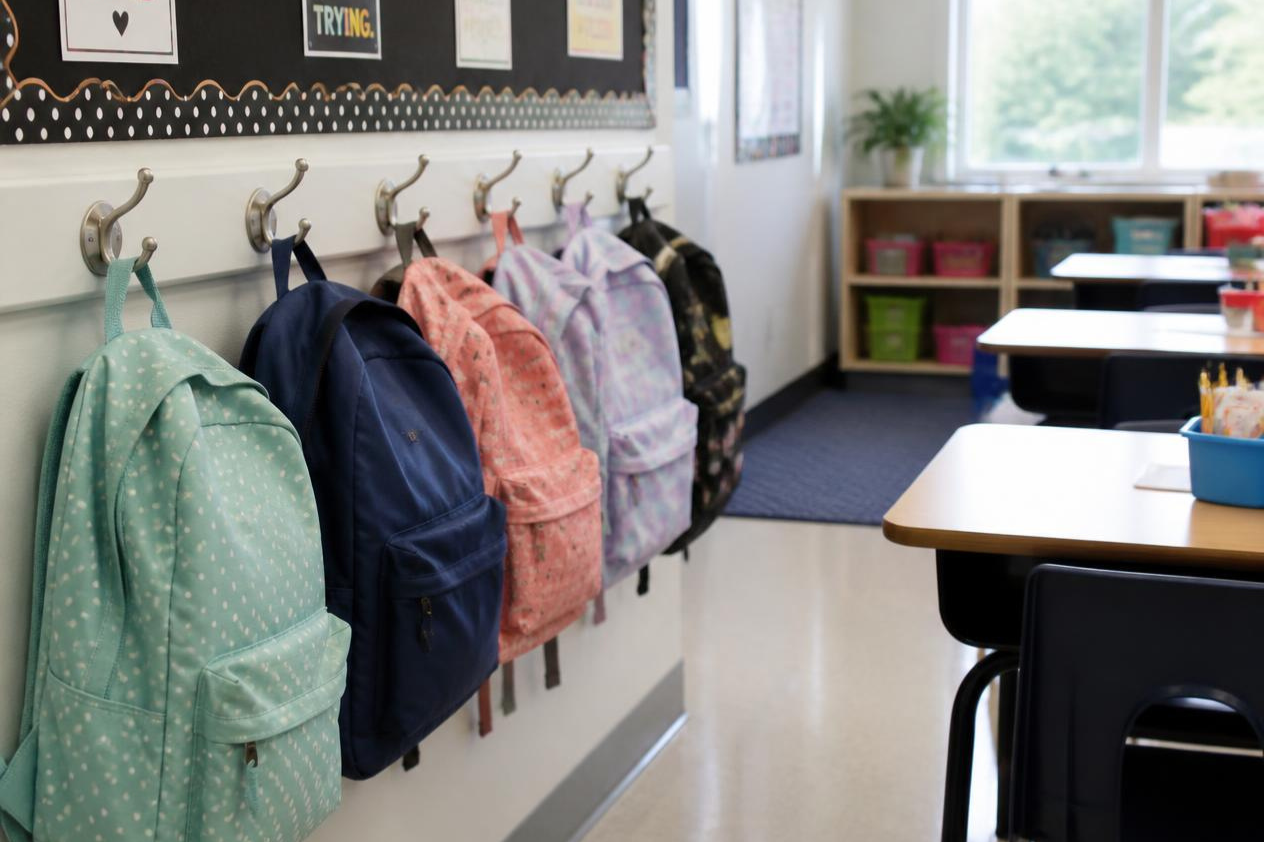
The start of a new school year brings a lot of change. New classrooms, new teachers, new schedules, and new routines can bring excitement and anticipation for children and families. But for a child who has experienced the death of someone they love, the return to school can also bring complicated emotions.
Why Routine Can Be Helpful During Grief
Grief can make the world feel unpredictable. A child may not understand why their family looks different, why certain traditions have changed, or why they are experiencing emotions they can't always explain.
School provides many things that are familiar and predictable: getting up at a certain time, riding the bus, seeing friends, attending classes, eating lunch, and coming home at the end of the day. That predictability can be reassuring.
A routine can help a child know what to expect, even when so many other things in their life have changed. It also gives them opportunities to focus on everyday activities and spend time with people who make them feel safe and supported.
Returning to School Doesn't Mean Returning to "Normal"
One of the most important things adults can remember is that a grieving child may look like they are adjusting while still experiencing significant grief.
A child might laugh with friends at recess and then become upset when they get home. They may have a great day at school and suddenly cry at bedtime. They may seem completely fine for several days before having a difficult morning. This is normal.
Grief isn't something children move through in a straight line. Feelings can come and go, sometimes when you least expect them.
Returning to school shouldn't be viewed as a sign that a child is "over it." Instead, school can become one part of learning how to live with their loss while continuing to grow, learn, and participate in everyday life.
Talk With Your Child's Teacher
Before the school year begins, consider letting your child's teacher, school counselor, or another trusted staff member know about the loss.
You don't have to share every detail. Simply giving the school some context can help teachers understand changes they may notice in your child's behavior.
Give Your Child Permission to Feel
Grief can show up as irritability, difficulty concentrating, changes in sleep, clinginess, anger, withdrawal, or even increased energy and playfulness. Some children may want to talk about their loved one constantly, while others may not want to talk about the loss at all. Let your child know that whatever they are feeling is okay.
They don't need to be sad all the time to prove that they miss someone. It's okay to laugh, play, make new friends, enjoy school, and look forward to things. It's also okay to have a bad day.
Be Patient With Changes in Behavior
The first few weeks of school may not go exactly as planned. Your child may struggle to get ready in the morning, become emotional at drop-off, have trouble concentrating, or come home exhausted. They may also seem perfectly happy at school but have more emotional outbursts at home. Try to approach these changes with patience.
Sometimes children hold their emotions together throughout the school day because they are using so much energy to manage everything around them. Home may feel like the safest place to let those emotions out. Extra rest, flexibility, reassurance, and one-on-one time can go a long way.
Watch for Signs They May Need More Support
Most grieving children will have difficult moments as they adjust to life after a loss. However, if you notice ongoing or significant changes in your child's behavior, relationships, school performance, or ability to function day to day, it may be helpful to reach out for additional support.
Your child's pediatrician, school counselor, or a qualified grief professional can help you determine what support may be appropriate. Asking for help isn't a sign that you or your child are doing something wrong. Sometimes grief is simply too big to navigate alone.
Back to school doesn't mean back to normal.
As a new school year begins, remember that a grieving child may need a little extra patience, a little extra understanding, and permission to take things one day at a time.
At Wing-Bain Funeral Home, we understand that grief affects every member of a family—including children. While we can't take away the pain of losing someone you love, we are here to help families navigate the difficult days that follow and connect them with resources and support when needed.
Sometimes, a familiar routine is a small but meaningful place to begin.