


Guiding Good Goodbyes

Remembering the Life of
Recent Blog Posts

October is Fire Prevention Month, making it a good time to think beyond smoke alarms and fire extinguishers. While protecting your home and family is the first priority in an emergency, it is also worth considering what could happen to the important documents you keep inside your home. Wills, insurance policies, birth certificates, military records, property documents, financial information, and other family records can be difficult or impossible to replace if they are destroyed in a fire. Taking a little time now to organize and protect these records can make things easier for your family later. Which Documents Should You Protect? Every household has different needs, but some documents are particularly important to keep secure and accessible. These may include: Home, auto, life, and other insurance policies Wills, estate planning, and health care documents Financial, tax, property, and mortgage records Birth, marriage, and other vital records Military service records and discharge papers Keep Important Documents Safe A fire-resistant safe can provide additional protection for important original documents. Consider keeping copies in a secure location outside your home, such as a safe-deposit box, with a trusted family member, or through secure digital storage. Scanning important records can help ensure the information remains accessible if the originals are damaged or destroyed. Avoid relying on a single copy or storage location, and make sure someone you trust knows where the records are kept and how to access them when needed. Don't Forget Your Funeral Planning Information Funeral planning information is another type of family record worth keeping secure and accessible. If you have documented your wishes or made arrangements with a funeral home, make sure someone you trust knows where that information is located. Wing-Bain Funeral Home’s Online Preplanning Form allows you to record basic personal and family information, military service, and preferences for funeral services, burial or cremation, and other personal details. Complete the Wing-Bain Funeral Home Online Preplanning Form What to Do After a Fire If a fire damages your home, important documents may be among the items affected. Do not return to a fire-damaged home until authorities have determined that it is safe to do so. Contact your insurance company as soon as possible and ask what documentation you will need for your claim. Insurance policies, financial records, property documents, and other important information can be especially valuable during this process. If vital records or other documents were destroyed, contact the appropriate government agencies, financial institutions, or other organizations to learn how they can be replaced. Having secure copies or digital versions can make this process easier. Take a Few Minutes This October Fire Prevention Month is a good reminder to review your home's fire safety plan and identify the information your family may need in an emergency. Check your smoke alarms, review your emergency plan, and make sure important records are stored securely. Most importantly, make sure someone you trust knows where to find them. A little preparation today can help give your family access to important information when they need it most.
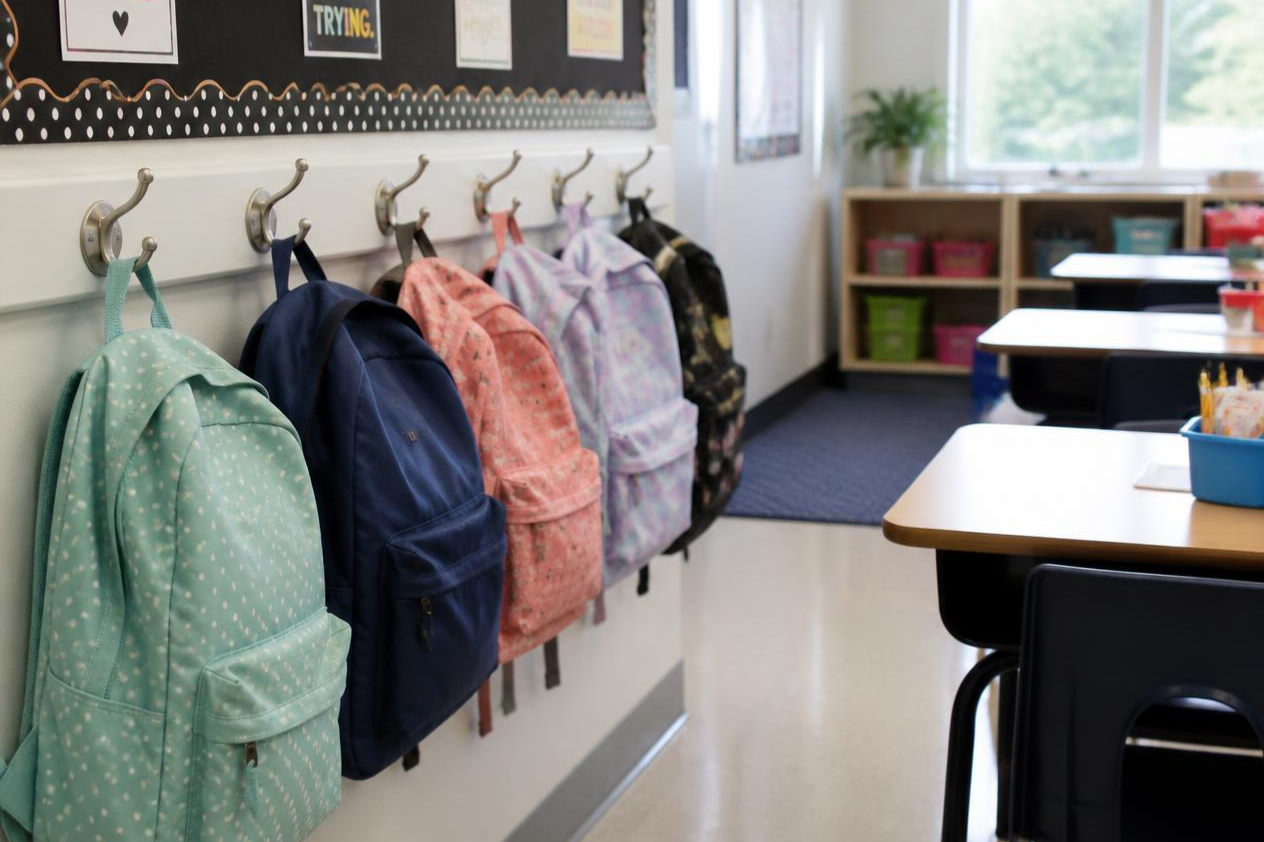
The start of a new school year brings a lot of change. New classrooms, new teachers, new schedules, and new routines can bring excitement and anticipation for children and families. But for a child who has experienced the death of someone they love, the return to school can also bring complicated emotions. Why Routine Can Be Helpful During Grief Grief can make the world feel unpredictable. A child may not understand why their family looks different, why certain traditions have changed, or why they are experiencing emotions they can't always explain. School provides many things that are familiar and predictable: getting up at a certain time, riding the bus, seeing friends, attending classes, eating lunch, and coming home at the end of the day. That predictability can be reassuring. A routine can help a child know what to expect, even when so many other things in their life have changed. It also gives them opportunities to focus on everyday activities and spend time with people who make them feel safe and supported. Returning to School Doesn't Mean Returning to "Normal" One of the most important things adults can remember is that a grieving child may look like they are adjusting while still experiencing significant grief. A child might laugh with friends at recess and then become upset when they get home. They may have a great day at school and suddenly cry at bedtime. They may seem completely fine for several days before having a difficult morning. This is normal. Grief isn't something children move through in a straight line. Feelings can come and go, sometimes when you least expect them. Returning to school shouldn't be viewed as a sign that a child is "over it." Instead, school can become one part of learning how to live with their loss while continuing to grow, learn, and participate in everyday life. Talk With Your Child's Teacher Before the school year begins, consider letting your child's teacher, school counselor, or another trusted staff member know about the loss. You don't have to share every detail. Simply giving the school some context can help teachers understand changes they may notice in your child's behavior. Give Your Child Permission to Feel Grief can show up as irritability, difficulty concentrating, changes in sleep, clinginess, anger, withdrawal, or even increased energy and playfulness. Some children may want to talk about their loved one constantly, while others may not want to talk about the loss at all. Let your child know that whatever they are feeling is okay. They don't need to be sad all the time to prove that they miss someone. It's okay to laugh, play, make new friends, enjoy school, and look forward to things. It's also okay to have a bad day . Be Patient With Changes in Behavior The first few weeks of school may not go exactly as planned. Your child may struggle to get ready in the morning, become emotional at drop-off, have trouble concentrating, or come home exhausted. They may also seem perfectly happy at school but have more emotional outbursts at home. Try to approach these changes with patience. Sometimes children hold their emotions together throughout the school day because they are using so much energy to manage everything around them. Home may feel like the safest place to let those emotions out. Extra rest, flexibility, reassurance, and one-on-one time can go a long way. Watch for Signs They May Need More Support Most grieving children will have difficult moments as they adjust to life after a loss. However, if you notice ongoing or significant changes in your child's behavior, relationships, school performance, or ability to function day to day, it may be helpful to reach out for additional support . Your child's pediatrician, school counselor, or a qualified grief professional can help you determine what support may be appropriate. Asking for help isn't a sign that you or your child are doing something wrong. Sometimes grief is simply too big to navigate alone. Back to school doesn't mean back to normal. As a new school year begins, remember that a grieving child may need a little extra patience, a little extra understanding, and permission to take things one day at a time. At Wing-Bain Funeral Home, we understand that grief affects every member of a family—including children. While we can't take away the pain of losing someone you love, we are here to help families navigate the difficult days that follow and connect them with resources and support when needed. Sometimes, a familiar routine is a small but meaningful place to begin.
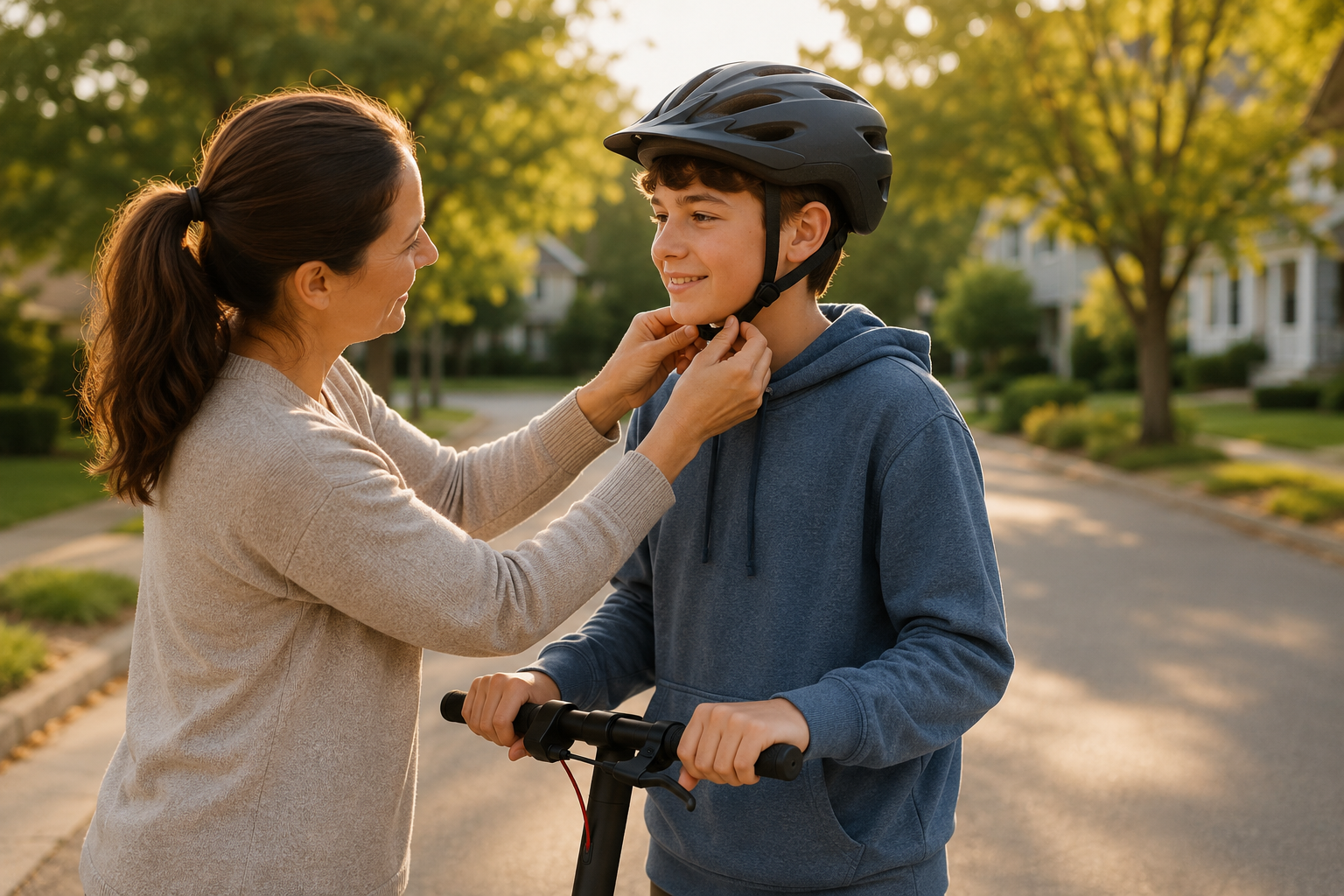
Motorized scooters have become increasingly popular among children and teenagers. They're a fun way to spend time outdoors, visit friends, or explore the neighborhood. But as these scooters become faster and more accessible, they also come with serious safety risks that every family should understand. At Wing-Bain Funeral Home, we believe caring for our community extends beyond helping families after a loss. It also means sharing information that may help prevent tragedy before it happens. Taking time to teach your child safe riding habits could make all the difference. Why Motorized Scooters Can Be Dangerous Unlike traditional kick scooters, many motorized scooters can travel at speeds of 15 to 30 miles per hour—or even faster. At those speeds, a fall or collision can result in severe injuries, especially for children whose bodies are still developing. Many accidents occur because riders: Fail to wear a helmet. Ride in the roadway alongside cars. Ignore traffic signs and signals. Carry passengers on scooters designed for one rider. Ride after dark without lights or reflective clothing. Become distracted by phones or headphones. Even experienced riders can be difficult for motorists to see, particularly at intersections or when pulling out of driveways. Road Safety Starts with Parents Children often learn by watching the adults around them. Before allowing a child to ride a motorized scooter, parents should have open conversations about the responsibilities that come with operating one. Teach your child to: Always wear a properly fitted helmet and, when possible, knee and elbow pads. Ride only where it is legal and safe to do so. Obey all traffic signs and signals. Stay alert and avoid using phones or listening to music while riding. Make eye contact with drivers before crossing streets. Ride defensively and assume drivers may not see them. Never carry another passenger unless the scooter is specifically designed for two people. Slow down around pedestrians, driveways, and intersections. Practicing these habits together can help children gain confidence while developing safe riding skills. Know Your Local Laws Motorized scooter laws vary by state and even by city. Some communities have age restrictions, helmet requirements, speed limits, or rules about where scooters may be ridden. Reviewing local regulations and understanding the rules helps keep everyone safer and can prevent unnecessary accidents. A Small Conversation Can Have a Lasting Impact Many serious accidents happen in just a matter of seconds. While no parent can eliminate every risk, teaching children about road safety, modeling responsible behavior, and ensuring they have the proper protective equipment can significantly reduce the chance of a devastating injury. At Wing-Bain Funeral Home, we've seen firsthand how quickly lives can change. Our hope is that by encouraging conversations about safety today, more families can enjoy tomorrow together. Taking a few extra minutes to discuss safe riding habits may seem like a small act—but it could become one of the most important conversations you ever have with your child.